
A practical framework for making content, images, video, product data and structured information easier to discover across traditional search, visual search, voice interfaces and AI assistants.

A practical framework for AI search referral tracking that connects identifiable AI traffic, ambiguous attribution, assisted conversions, CRM outcomes and revenue quality.

A practical framework for making your organisation easier for search engines and AI systems to identify, understand and reference through consistent first-party information, structured data, profiles, third-party sources and customer proof.

A hands-on AI crawler access audit for finding the technical blocks that stop legitimate AI-search crawlers from reaching, rendering and understanding your website—without opening unnecessary security risk.

A step-by-step process for making content easier for AI assistants and answer engines to understand, extract and cite—without relying on schema tricks, keyword stuffing or unsupported claims.

A practical framework for deciding which pages to update, consolidate, protect or leave alone—based on business value, search opportunity, evidence quality and effort.

Programmatic SEO can create useful pages at scale, but scale is not evidence of value. This consultant-led framework explains when templated publishing is likely to waste resources, weaken a site or create governance problems—and what to do instead.

A practical AI content quality-control workflow for producing accurate, useful and search-ready content without turning editorial review into a bottleneck.
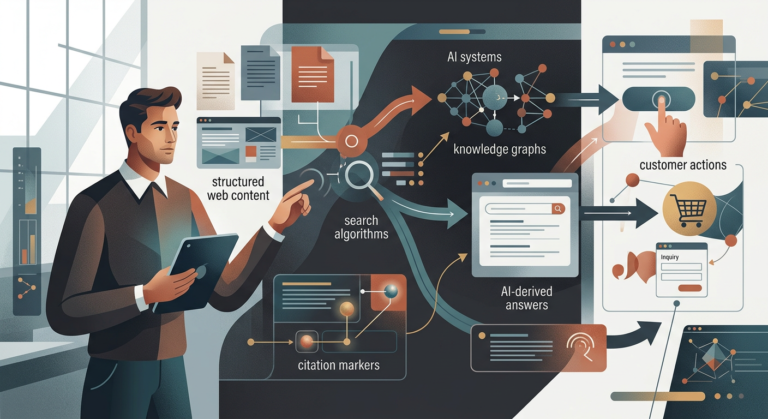
Rankings alone cannot show whether answer engines understand, cite or send valuable demand to your business. This practical framework separates controllable AEO inputs from observable visibility, referral activity and commercial outcomes.